
Talk to overseas buyers after a mower demonstration and the first question is rarely “how much?” It is “what happens when it breaks? Do you have a service network in Australia or Europe?” It is the right question. A robotic mower is not a consumer device that sits on a shelf. It lives in the field — sun, rain, mud, water splash, tangled grass — working hard every day. When it stops and a part takes two weeks to arrive with nobody who can diagnose it, a season’s mowing window is gone. The real loss is not the repair bill; it is the whole maintenance season. This article explains what overseas support should actually consist of, and what WANJI puts in place.
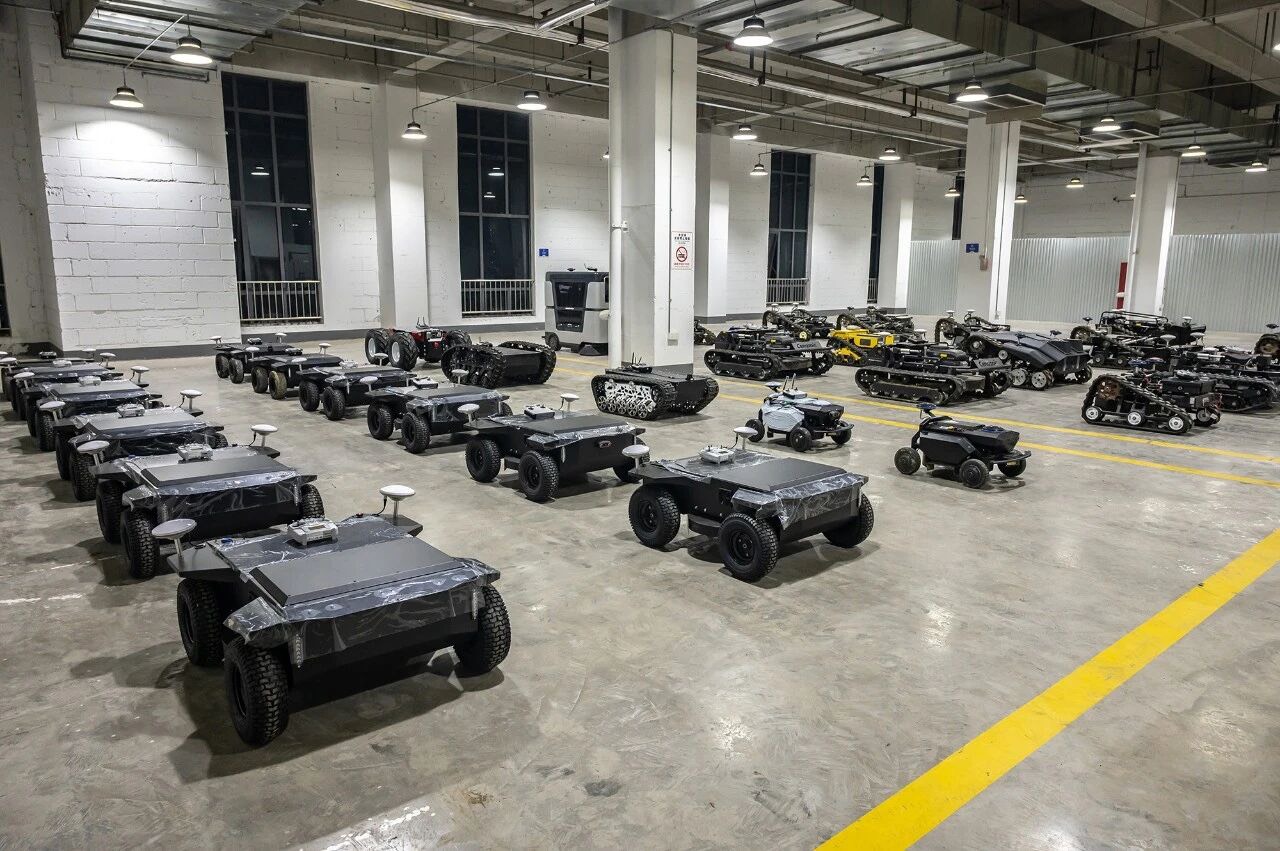
Why the “what if it breaks?” question is the one to ask
A mower that sits waiting on a part does not just cost money; it breaks the schedule. Grass does not wait. A spring flush, a wet spell, a municipal tender with fixed visit intervals — every one of them has a deadline that a shipping delay cannot move. A sensible buyer therefore evaluates support with the same seriousness as the cut width and the hourly output. Four questions matter:
- What exactly is under warranty, and for how long?
- Can a fault be spotted — or even predicted — remotely?
- Can routine parts be found locally, or must everything be shipped?
- Is there a real engineer on the other end who can guide a fix?
Here is how each one works in practice.
1. A 12-month warranty that covers the core components
From the day of delivery, every WANJI machine is covered by a 12-month limited warranty, factory standard. The warranty applies to the complete machine as delivered, including the components that actually do the work — the electric motors, the cutting deck and the navigation module. It is not a chassis-only warranty, and it is not built around an “except all wearing parts” clause designed to make coverage disappear. Normal consumable wear is handled according to the written terms, which are provided with the quotation and order paperwork before anyone commits.
2. Remote running logs: the fault is predicted before you report it
Every machine ships with a built-in remote running-log system. From the back end, our engineers can read operating data directly — motor temperature, battery cycle count and navigation signal quality. When a trend starts to drift outside its normal range, an early warning goes out before the trend becomes a breakdown. In other words, support is not sitting idle waiting for a customer to call and describe a dead machine; the diagnosis often begins ahead of the failure.
That changes the economics of a fault. A temperature trend caught in week one can be addressed with an adjustment, a video call or a part dispatched before the mower ever stops in the field.
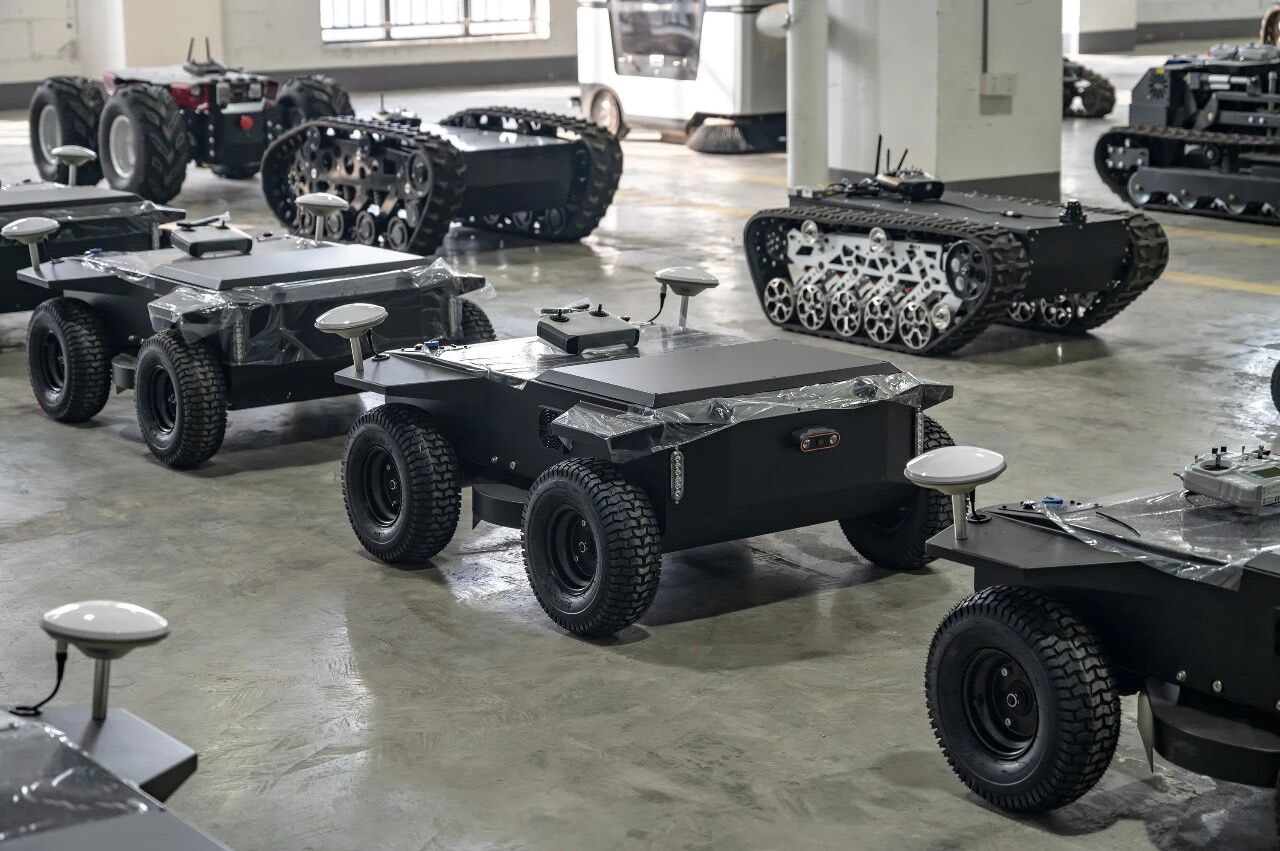
3. Universal, locally-sourced parts: no machine waits a month for one screw
The classic overseas after-sales story is a machine stopped over one small fastener, waiting weeks for a ship. WANJI addresses this at the design stage: screws, blades and connectors are designed around standard, universal specifications wherever practical. That means routine items can be bought from a local hardware store or parts supplier — standard sizes, no custom manufacturing, no waiting on international freight for a single part.
Every machine also ships with a spare-parts kit, and parts requests are answered under the 72-hour spare-parts response. The goal is simple: a small, locally-sourced item should never idle a machine for an entire growing season.
4. A dedicated engineer on video, from unboxing to troubleshooting
From arrival at port, unboxing and assembly through field commissioning and later fault diagnosis, a named engineer stays with the buyer over video. Screen sharing lets the engineer see the symptom directly and judge whether the issue is operational or hardware, then guide the fix step by step. Anything that can be resolved remotely is resolved remotely — the machine never waits on an unnecessary courier. When a replacement genuinely is required, it is arranged by air freight in advance, which keeps downtime as short as possible.
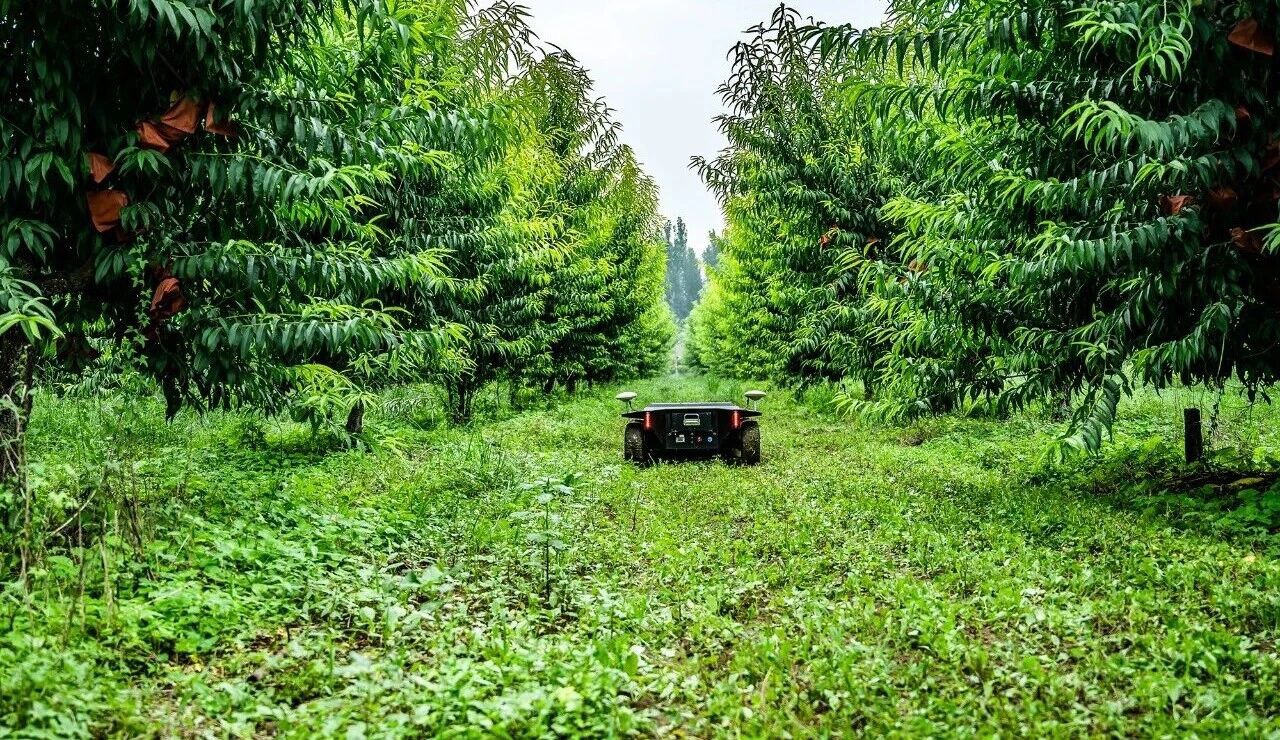
After-sales is a customer-acquisition tool, not a cost center
The logic is straightforward. A customer whose machine keeps working will tell neighboring farmers, landscaping companies and municipal buyers; a customer abandoned after the sale closes an entire region. That is why support is invested in rather than quietly cut — and why the arrangement does not end when the container is unloaded.
- 12-month limited warranty covering the motors, cutting deck and navigation module — full written terms with the order
- Remote running logs with early warnings on motor temperature, battery cycles and navigation signal
- Universal standard parts available locally, plus a spare-parts kit and 72-hour parts response
- A dedicated engineer on video from unboxing to troubleshooting; replacement parts arranged by air freight
There is no launch event or slogan behind this — just ordinary fasteners, routine video calls and an engineering team that stays involved. When you buy a WANJI mower, what stands behind it is an entire engineering team: from the first inquiry email to day 365 of the machine working in the field. The Buyer FAQ covers warranty and parts in short form, and the supplier guide explains what dealers should demand from any brand.
Quick answers
Do you have a local service network in my country?
Support is delivered directly by our engineering team over remote diagnostics and video, with universal parts sourced locally and replacement parts air-freighted — so you are not dependent on a local branch existing before a machine can be kept running.
What happens if the machine stops mid-season?
Your dedicated engineer diagnoses over video and screen sharing; if a part is needed it is dispatched under the 72-hour response, by air freight where required. Routine fasteners and blades can often be bought locally the same day.
Are the warranty terms written down before ordering?
Yes. The full warranty wording, consumable schedule and claims procedure come with the quotation and order paperwork.